Monique received a comment to her paper in Science of last year, by Vincent A. A. Jansen, Alla Mashanova, and Sergei Petrovskii. She replied…
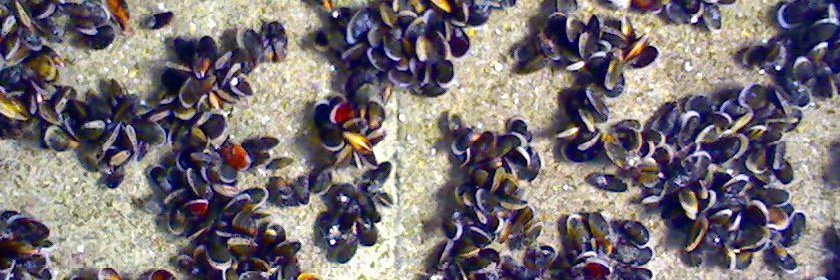
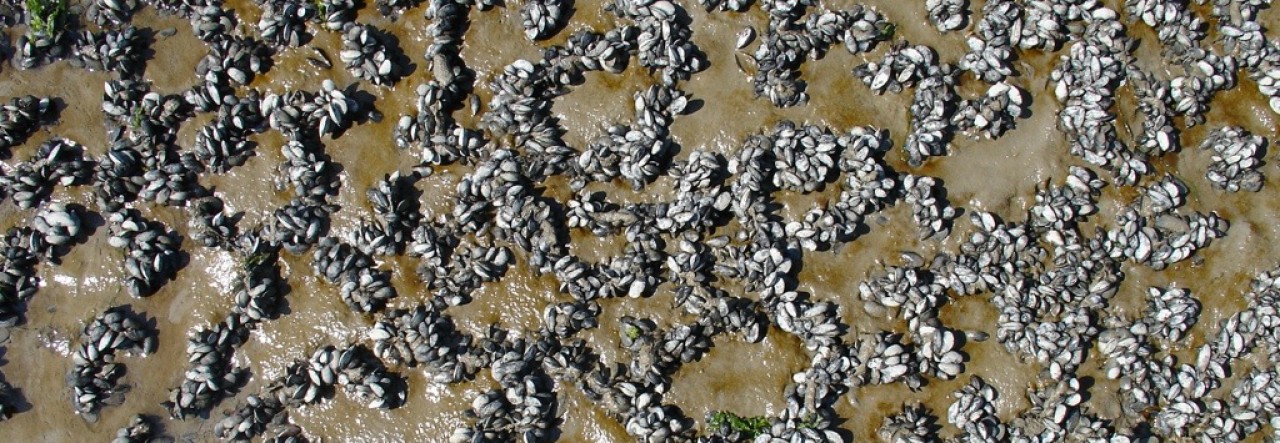
Monique received a comment to her paper in Science of last year, by Vincent A. A. Jansen, Alla Mashanova, and Sergei Petrovskii. She replied…

About two and a half year ago, I participated in a workshop on salt marsh modelling just before the AGU meeting in San Francisco. Over there, we came up with the idea to write a review paper on salt marshes. This idea has been lingering on until Sergio Fagherazzi of Boston University put it in motion and wrote a paper that we submitted to Review of Geophysics. I came out as the first thing this year!
You are warned! The rumor is that Sergio fell asleep while proofreading the manuscript!
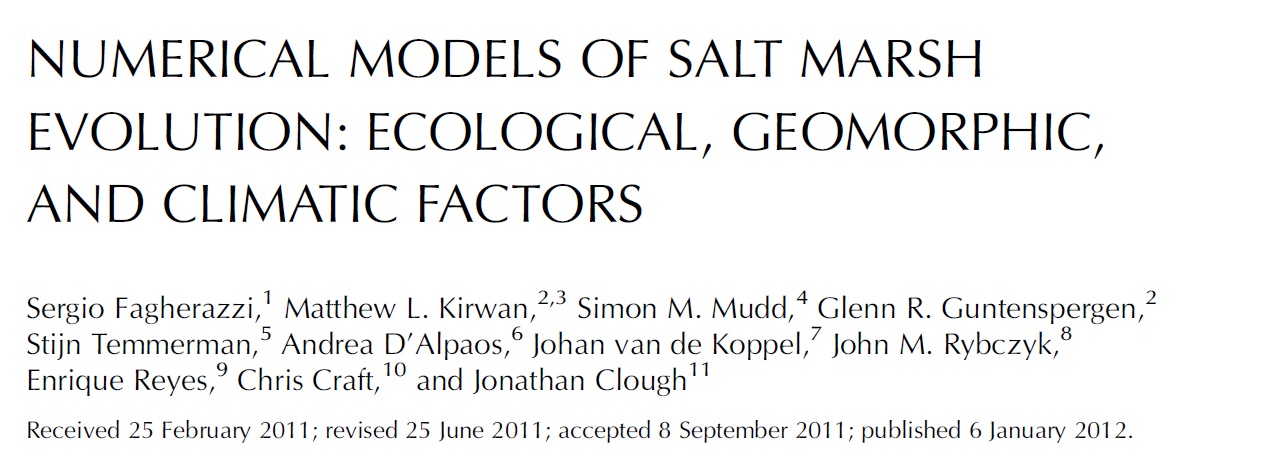
Link: http://www.agu.org/pubs/crossref/2012/2011RG000359.shtml
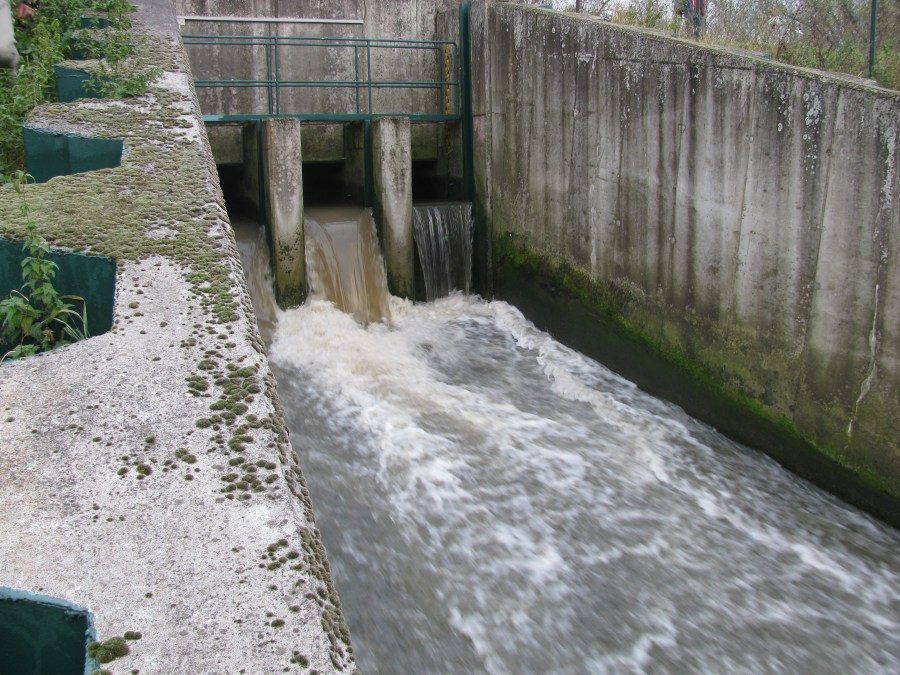
During the yearly Coastal Ecology meeting, we visited the managed realignment project (ontpoldering) near Lippenbroek, Belgium. The Belgians allow Scheldewater to enter a former polder area so that a reduced tidal regime is established. Due to the tidal water, a very interesting and diverse (for floodplain standards) intertidal community has established.
To see the project: http://www.lippenbroek.be/natuur/natuur.htm


The blog has moved from mytilusdigitalis.wordpress.com to johanvandekoppel.nl.
From the first of November onwards, I have been appointed as an honorary professor at the University of Groningen, on the chair called “The spatial ecology of intertidal systems”. I am very pleased with this appointment, as it solidifies a long collaboration with various people at the University, and it allows me to set up a small teaching program in spatial ecology.
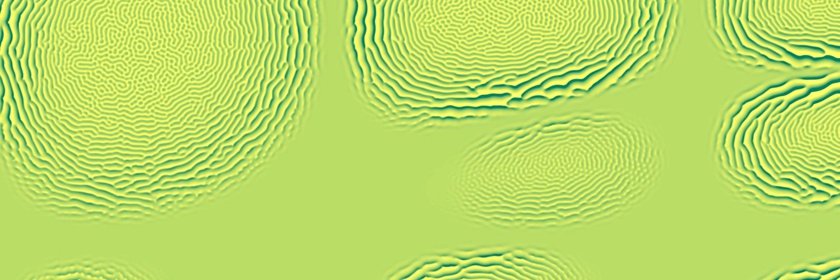
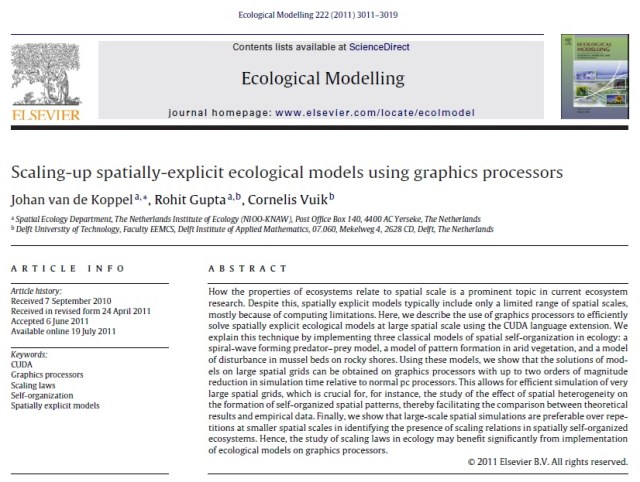
Our paper on the use of graphics processors for simulation of self-organizing ecosystems at large spatial scales has just appeared in Ecological modelling. A good starting point if you want to use CUDA for efficiently simulating very large grids, just with your own computer.
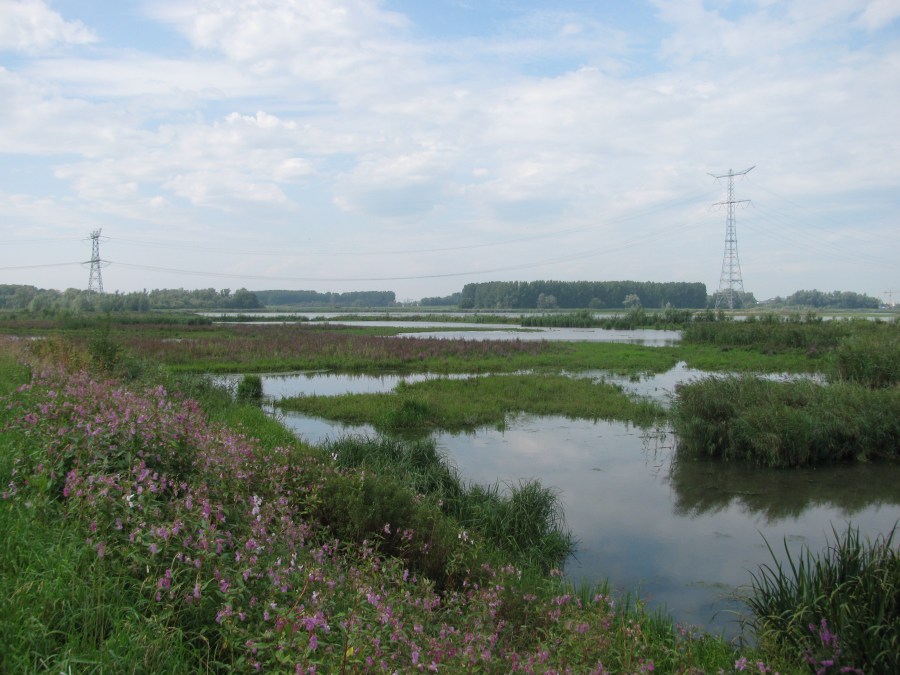
On August 23, I visited the nature restoration projects in the Biesbosch area. While in the Zeeland region, people are very reluctant against “giving back agricultural lands to the sea”, no such sentiments exists among the Biesboschers (among which I am one), and large former polder areas were “returned to the river” to provide a safety buffer against river floods. See below some photographs of how these “ontpolderde” areas look like after a few years. A must admit I was amazed by the diversity of habitats, plants and birds that we observed, even when looking from a distance. A sighting of a (likely) Sea Eagle nicely ended the day.
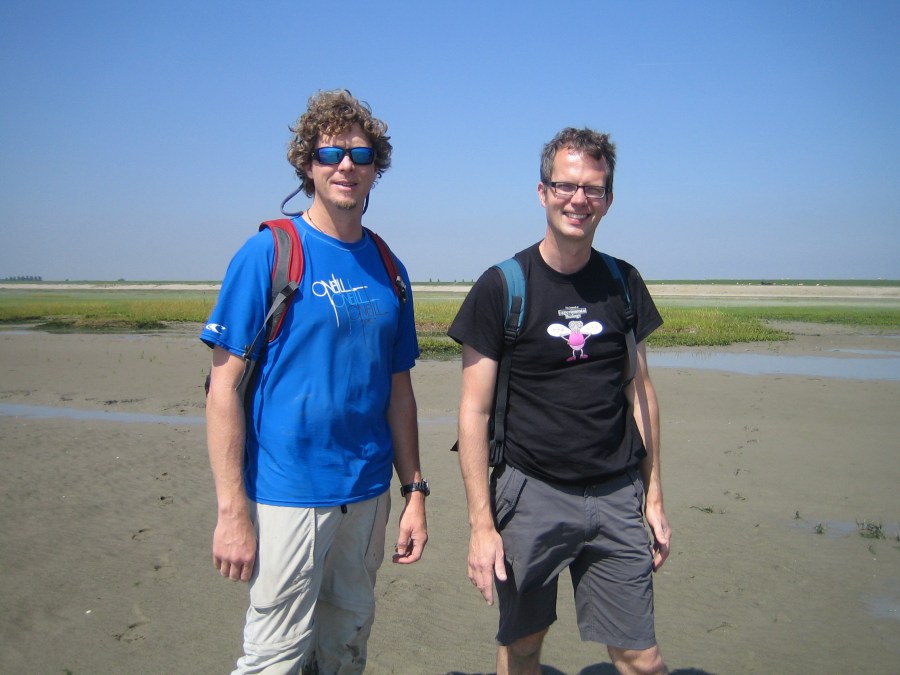
Brian Silliman from the University of Florida has visited the department as a KNAW visiting professor. We obtained the results of our joined experiment on the importance of positive interactions on salt marsh restoration.
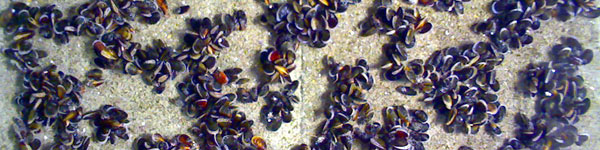
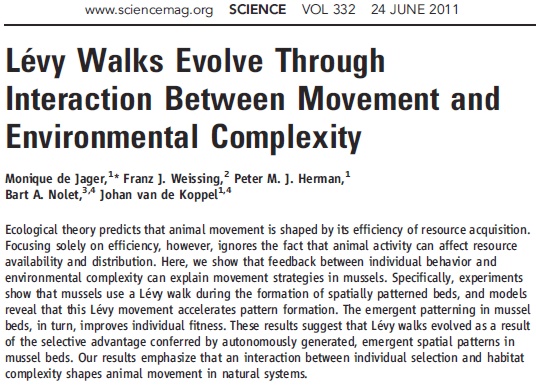
This friday (June 24, 2011) Monique de Jager’s first paper appeared in Science. It deals with the movement strategies of mussels in self-organized landscapes, and how this strategy, a Levy Walk, can evolve because of the close interaction with the landscape.
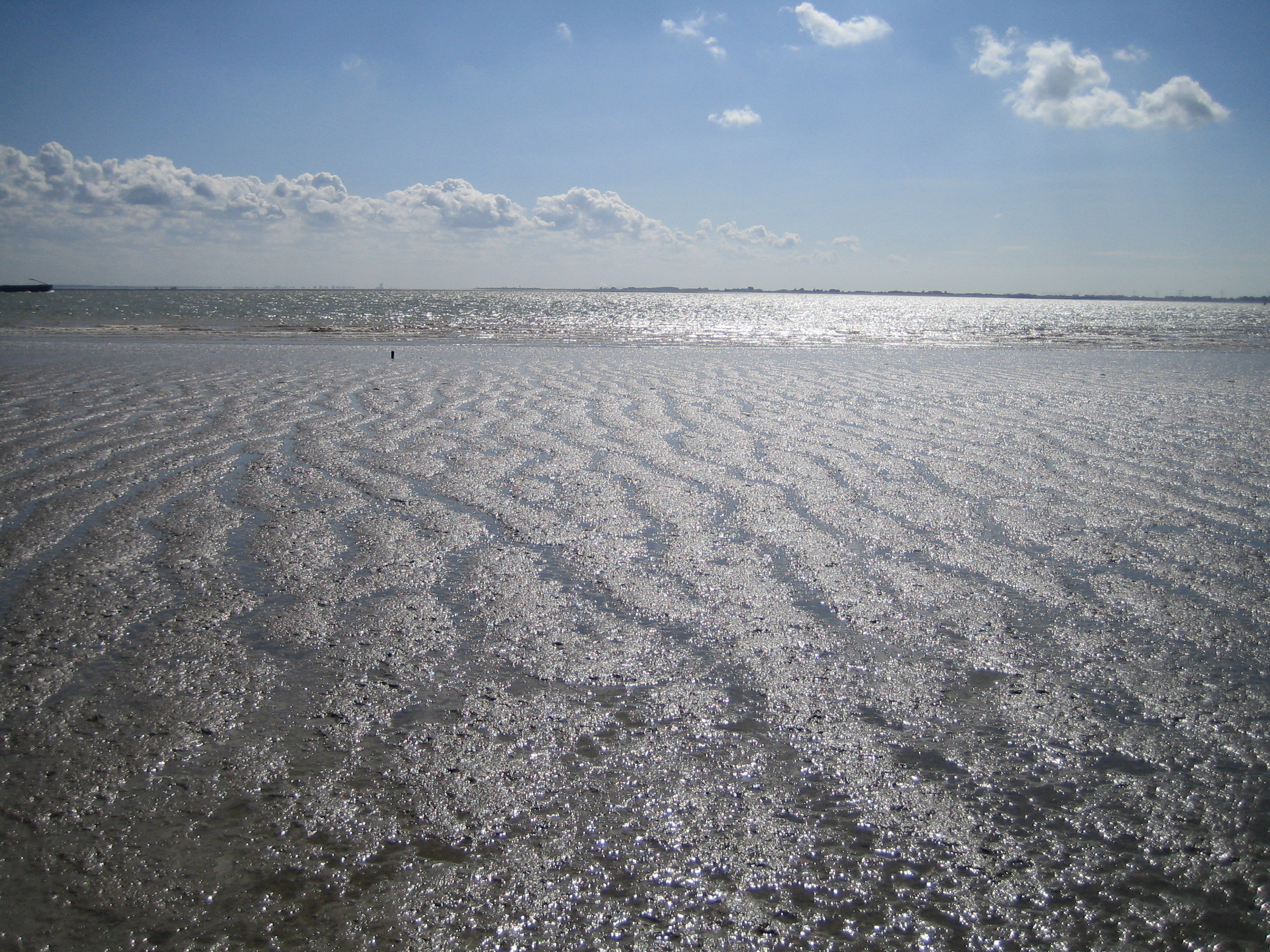
The Kapellebank is the hotspot of self-organized patterns in diatoms, no tidal flat that I know of in the Netherlands has them more clearly. Also this year, they were clearly observable. It is striking how easily the tidal flat is given up as a so-called alternative option for nature compensation, where a thick layer of clay will be deposited on top of this tidal flat to “generate nature”.
 Johan van de Koppel